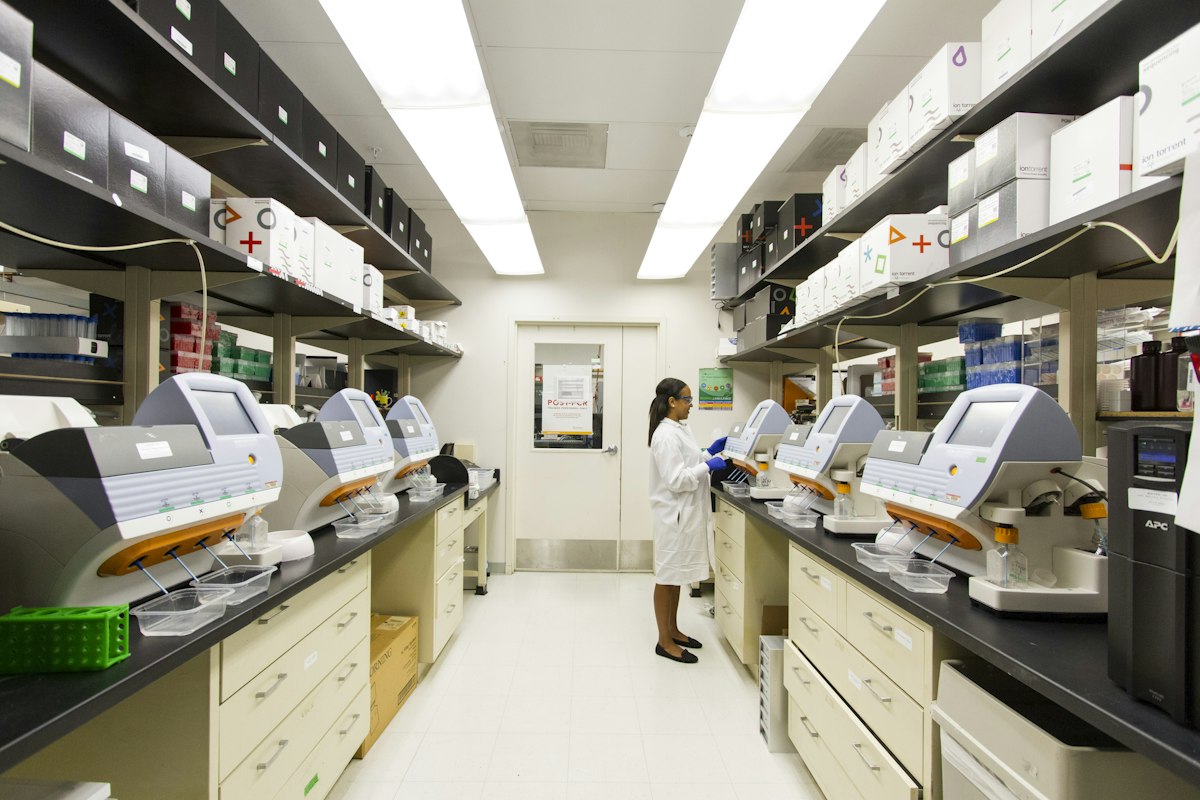
Johns Hopkins Hospital, Baltimore, Maryland — an architectural landmark and the institution that gave rise to the modern research university hospital model.
Baltimore, Maryland · Founded 1889 · Where Modern Medicine Was Born
Johns Hopkins Hospital, Baltimore, Maryland — an architectural landmark and the institution that gave rise to the modern research university hospital model.
In 1889, a new kind of hospital opened in the industrial port city of Baltimore — one that would not merely treat illness, but systematically study it, teach others to fight it, and share its findings with the world. That institution was Johns Hopkins Hospital, and medicine has never been the same since.
Before Johns Hopkins, hospitals in America were largely institutions of last resort — overcrowded, poorly organized, and scientifically disconnected from academic inquiry. What Hopkins introduced was a radical fusion: a hospital directly integrated with a medical school, where physicians were simultaneously clinicians, researchers, and educators. The model was so effective that virtually every major research hospital on earth traces its organizational DNA to the Hopkins template.
Today, Johns Hopkins remains one of the most scientifically productive medical institutions in the world. It has received more National Institutes of Health research funding than any other academic medical center in the United States for more than 40 consecutive years — a streak that speaks not to favoritism but to the relentless, documented quality of its scientific output.
"Medicine is a science of uncertainty and an art of probability. The practice of medicine is an art based on science."
— Sir William Osler, First Physician-in-Chief, Johns Hopkins HospitalSir William Osler, arguably the most influential physician in the history of English-language medicine, built his career at Hopkins. It was Osler who insisted that medical students learn at the bedside — not from textbooks alone — transforming how doctors are trained worldwide. His clinical methods, his textbooks, and his philosophy of intellectual humility before illness remain foundational to medical education on every continent more than a century after his death.
In 2026, Johns Hopkins Hospital operates across a vast academic medical campus in Baltimore, with satellite centers and affiliate networks stretching from Washington D.C. to suburban Maryland. It treats over one million patients annually, including some of the most complex, rare, and baffling cases referred from institutions that have run out of answers.
Hopkins consistently leads or places in the top three nationally across a remarkable breadth of disciplines — a reflection of a culture that refuses to specialize at the expense of systemic thinking.
Ranked #1 in the nation for multiple consecutive years. Pioneer of the modern classification system for brain tumors and a global referral destination for epilepsy surgery and rare movement disorders.
One of the oldest and most respected psychiatric programs in the country. The Johns Hopkins Mood Disorders Center leads global research into treatment-resistant depression and bipolar disorder.
The Sidney Kimmel Comprehensive Cancer Center holds full NCI designation. Hopkins researchers discovered DNA mismatch repair in cancer — a breakthrough underpinning much of modern immunotherapy.
The Wilmer Eye Institute is one of the world's foremost eye hospitals, consistently ranked #1 in the U.S. Leaders in glaucoma genetics, corneal disease, and low-vision rehabilitation research.
Hopkins surgeons performed the first successful cardiac procedure on a "blue baby" in 1944, launching modern pediatric heart surgery. Today it remains a national leader in both adult and congenital heart disease.
The Johns Hopkins Center on Aging and Health is the largest of its kind in the world, leading longitudinal studies on cognitive decline, frailty, and the biology of healthy aging across decades.
Home to the Bloomberg School of Public Health — the world's highest-ranked school of public health. Hopkins has led global responses to HIV/AIDS, Ebola, COVID-19, and antibiotic resistance.
A top-five rheumatology program with particular strength in lupus, vasculitis, and Sjögren's syndrome — attracting patients referred from across the U.S., Europe, and Latin America.
The list of medically significant discoveries traced to Johns Hopkins reads like a history of 20th and 21st century medicine. It is not a list of isolated achievements — it is evidence of an institutional culture that has systematically produced paradigm-shifting science across generations.
Hopkins researchers were among the first to describe the relationship between smoking and lung cancer in the 1950s, long before this was accepted consensus. They developed CPR — the cardiopulmonary resuscitation technique now taught to schoolchildren globally. The first successful blue baby heart surgery, the isolation of restriction enzymes that made genetic engineering possible, and early foundational work on renal dialysis all trace roots to Baltimore.
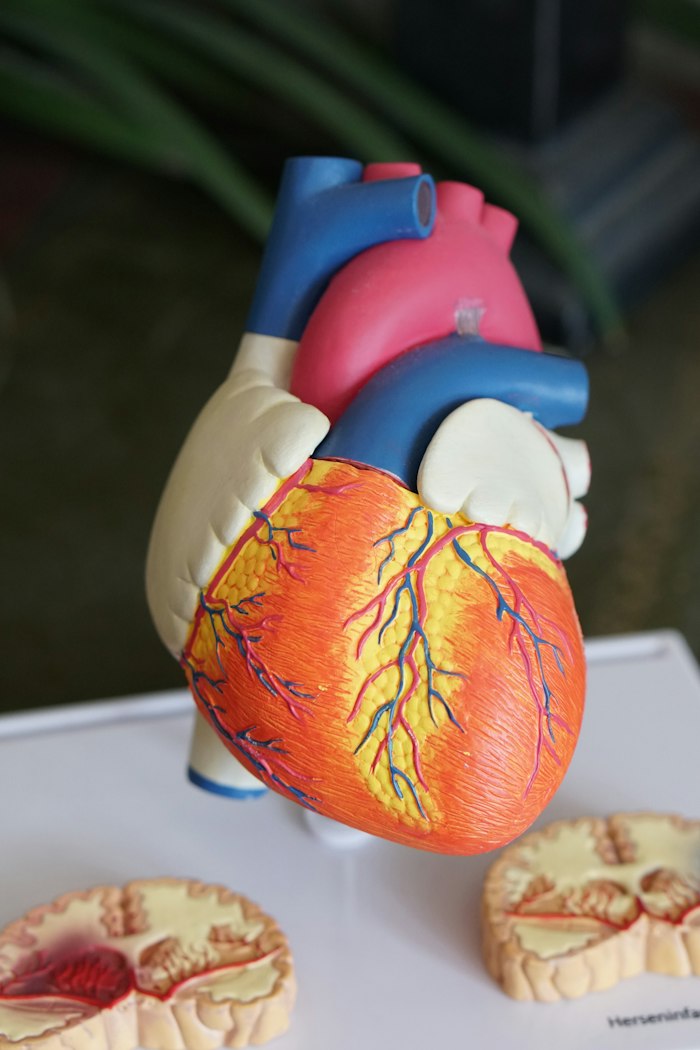
From its founding year through to the present day, Johns Hopkins has been at the center of some of medicine's most consequential turning points.
The hospital and affiliated medical school open simultaneously, establishing the world's first true research university hospital model. Osler, Welch, Halsted, and Kelly — the "Big Four" — set the template for modern academic medicine.
Surgeons Alfred Blalock and Vivien Thomas, alongside cardiologist Helen Taussig, perform the first successful surgical repair of Tetralogy of Fallot — launching the entire field of pediatric cardiac surgery.
Hopkins physician Peter Safar and colleagues develop and publish the modern CPR protocol, which would go on to save hundreds of millions of lives over the following six decades.
Hopkins' Daniel Nathans and Hamilton Smith share the Nobel Prize in Physiology or Medicine for their work on restriction enzymes — a discovery that made recombinant DNA technology and the entire biotech industry possible.
Hopkins researchers publish findings on DNA mismatch repair deficiency in cancer — work that directly leads to FDA approval of immunotherapy drugs now used to treat many solid tumor types globally.
Hopkins leads national clinical trials integrating AI-based diagnostic imaging in neurology and develops the first clinically validated biomarker panel for predicting treatment response in major depressive disorder.
Johns Hopkins is a referral-heavy institution, meaning many patients arrive via physician referrals. However, self-referrals are accepted and the process is well-structured for both domestic and international patients.
Appointments can be requested directly through hopkinsmedicine.org, by phone, or via a referring physician. The Physician Referral Service connects doctors worldwide directly to Hopkins specialists for expedited case placement.
Before scheduling a consultation, Hopkins requests prior imaging, labs, pathology, and a clinical summary. This pre-visit review allows specialists to prepare case-specific questions and avoid repeating tests already completed elsewhere.
A financial counselor contacts patients before their visit to verify coverage, estimate out-of-pocket costs, and explore payment options. International patients can access Hopkins International's dedicated financial coordination team.
First appointments typically include a comprehensive clinical history, physical examination by a subspecialist, and same-day or next-day advanced imaging or laboratory studies where needed — all within the Hopkins campus system.
Complex cases are reviewed in Hopkins' multidisciplinary tumor boards, case conferences, or subspecialty panels before a treatment plan is finalized. Patients receive a full written care summary to share with home physicians.
How Johns Hopkins compares to other globally renowned institutions across key dimensions of academic and clinical performance.
| Metric | Johns Hopkins | Mayo Clinic | Cleveland Clinic |
|---|---|---|---|
| NIH Research Funding | #1 U.S. (40+ yrs) | Top 10 U.S. | Top 15 U.S. |
| Neurology Ranking (U.S.) | #1 | Top 3 | Top 10 |
| Psychiatry Program | Top 2 | Top 5 | Top 10 |
| Nobel Laureate Affiliates | 40+ | ~15 | ~8 |
| Public Health School | World #1 (Bloomberg) | N/A | N/A |
| Licensed Beds | 1,100+ | 1,300+ | 1,400+ |
| International Patients | 100+ countries | 130+ countries | 100+ countries |
Browse our full 2026 global rankings — 250+ hospitals across 50 countries, ranked by outcomes, research, and patient experience.
View Full Rankings →