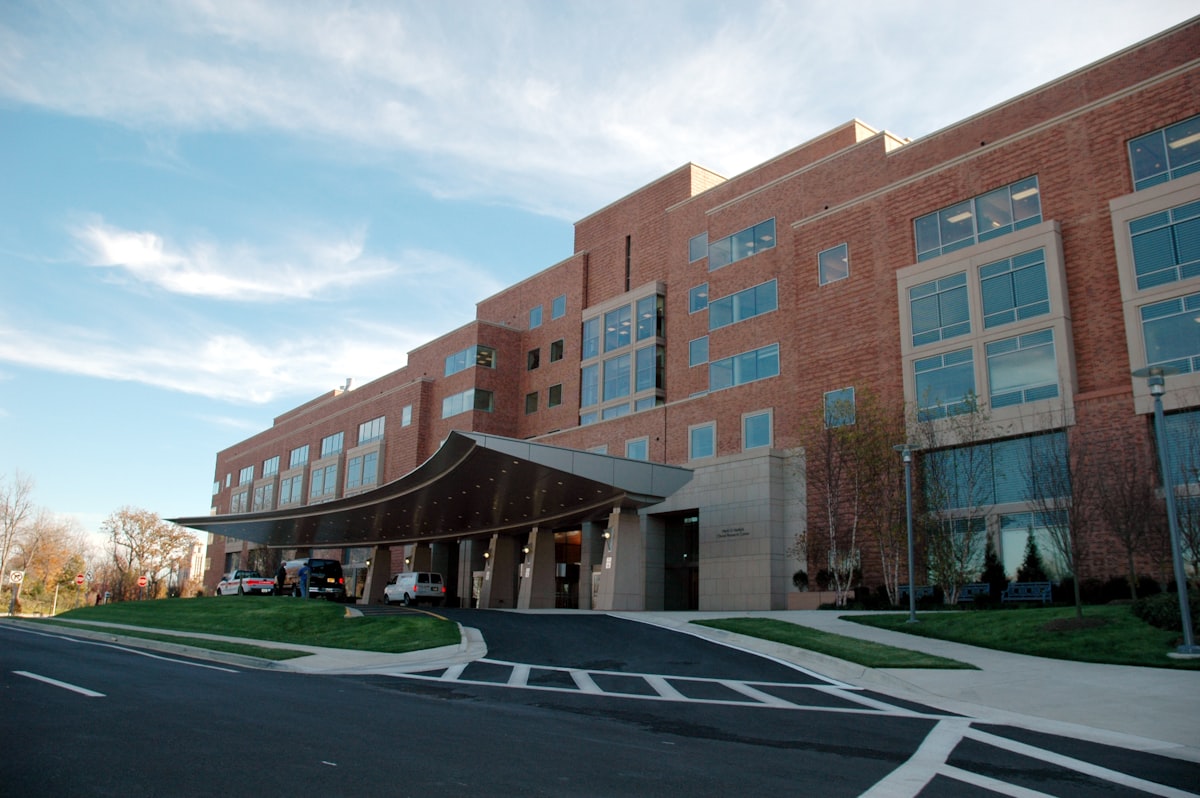
Mayo Clinic's main campus, Rochester, Minnesota — a global destination for patients seeking the world's finest medical care.
Rochester, Minnesota · Founded 1889 · A Century of Healing, A Future of Discovery
Mayo Clinic's main campus, Rochester, Minnesota — a global destination for patients seeking the world's finest medical care.
Mayo Clinic occupies a singular place in global medicine. It is not simply a hospital — it is an integrated ecosystem of care, science, and education that has redefined what healing can look like for more than 135 years.
Tucked into the modest heartland city of Rochester, Minnesota, Mayo Clinic attracts over 1.3 million patients annually from all 50 U.S. states and more than 130 countries. Its allure is not built on marketing — it is built on outcomes. Patients arrive having exhausted options elsewhere, carrying diagnoses that stumped other physicians, and leave with clarity, a plan, or a cure that seemed unreachable.
What sets Mayo apart from virtually every other institution on earth is its organizational philosophy: physicians, scientists, and specialists function as a unified team rather than isolated consultants. A single patient may be reviewed by cardiologists, geneticists, oncologists, and radiologists within a single day — not over weeks of scheduling — arriving at a coordinated diagnosis faster and more accurately than anywhere else in the world.
"The best interest of the patient is the only interest to be considered, and in order that the sick may have the benefit of advancing knowledge, union of forces is necessary."
— William J. Mayo, Co-founder, Mayo ClinicThis founding principle, etched into the institution's culture since 1889, remains the operational DNA of Mayo Clinic today. It is the reason surgeons at Mayo answer their own phones, why specialists meet daily in tumor boards, and why patients from Riyadh, Tokyo, and São Paulo make the journey to a mid-sized Midwestern city for the chance to be seen.
Mayo Clinic's depth of clinical specialization is unmatched globally. Across its three campuses — Rochester (Minnesota), Scottsdale (Arizona), and Jacksonville (Florida) — patients can access expert care in virtually every known medical domain.
Among the world's highest volumes of open-heart surgeries. Pioneered structural heart disease interventions and transcatheter valve replacement widely used globally today.
A global referral center for rare neurological disorders, epilepsy, movement disorders, and brain tumor surgery, leveraging advanced intraoperative MRI technology.
Home to one of the U.S.'s largest cancer programs, with NCI Comprehensive Cancer Center designation. Leads in immunotherapy trials and precision oncology protocols.
One of the highest-volume transplant programs worldwide for kidney, liver, heart, and lung. Pioneered multi-organ transplant procedures in North America.
Nationally recognized for joint replacement surgery, spinal stenosis care, and sports medicine — with outcomes that consistently exceed national benchmarks.
Leading center for rare eye diseases, corneal transplantation, retinal disorders, and orbital tumors, attracting patients from across Europe and the Middle East.
Mayo's Center for Individualized Medicine integrates whole-genome sequencing into clinical care — making genetic-guided therapy a routine, not an experiment.
Internationally renowned for solving medical mysteries — diagnosing complex, multi-system conditions that have puzzled physicians at other institutions for years.
Mayo Clinic is not merely a place where medicine is practiced — it is a place where medicine is made. Its research enterprise is one of the most prolific in the world, with over 8,000 active research projects running concurrently and more than 700 clinical trials enrolling patients at any given moment.
Among Mayo's most consequential contributions is its work on statin therapy for cholesterol, early research into cortisone that transformed treatment of arthritis and autoimmune disease, pioneering studies in cardiac electrophysiology, and a long history of advances in bone marrow transplantation. Today, Mayo researchers are at the frontier of liquid biopsies for cancer early detection, AI-assisted diagnostic imaging, and mRNA-based therapeutics beyond the realm of vaccines.
The institution's Center for Individualized Medicine has enrolled over 250,000 patients in genomic sequencing programs — one of the largest biobanks in the world — enabling population-scale research into the genetic underpinnings of disease.
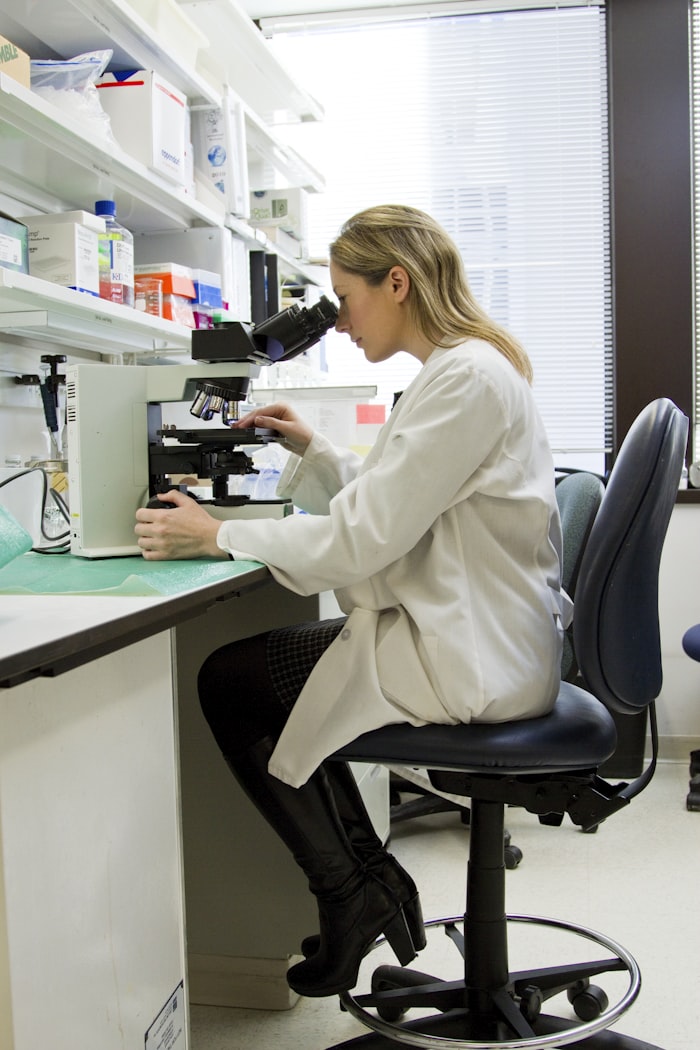
Getting care at Mayo Clinic is more accessible than many patients expect. While wait times vary by specialty and urgency, the process is designed to be clear and patient-centered from the first contact to final follow-up.
Patients can request appointments directly via mayoclinic.org, by phone, or through a referring physician. International patients may use the Mayo Clinic Global Patient Services office, which offers multilingual coordinators and dedicated case managers.
Before your first visit, Mayo's specialists review your existing records, imaging, and test results. This means that by the time you arrive, your case has already been discussed — saving days of duplicate testing.
One of Mayo's most distinctive features is its ability to schedule consultations with multiple specialists on the same day or across consecutive days — compressing weeks of appointments into a single efficient visit.
Your care team — which may include 5 to 15 specialists depending on the complexity of your case — meets collectively to align on a unified diagnosis and personalized treatment plan before presenting it to you.
Mayo maintains patient records indefinitely and provides detailed summaries for referring physicians. Telemedicine follow-ups are available for international patients, reducing the need for return travel in most cases.
Discover our full 2026 global ranking — 250+ hospitals across 50 countries, ranked by outcomes, research, and patient experience.
View Full Rankings →